How Veganuary Can Inspire Sustainable Eating Habits – by Emily Andrews

Veganism as a dietary choice has seen huge growth in the last decade and in particular, since 2017. Due to its increasing popularity, it is being accommodated to more and more by restaurants and supermarkets, making it much easier to be vegan now than ever before. Even though the concept of veganism has been around for a long time, it is only in the last 7 years that an increasing number of people have decided to try out veganism, especially for environmental reasons.
Benefits to your health and animal welfare were previously some of the main reasons people followed veganism, but relatively recently it has come to public knowledge that being vegan is one of the most sustainable ways to live. Since then, veganism has been more linked to the environmental movement and people have been trying to incorporate more vegan food into their diets in order to reduce their impact on the planet.
The ‘Veganuary’ challenge was started in 2014 and has gained more traction every year since, with an aim to invite people to try out veganism for the whole month in January, in hope that they may stick with it as a lifestyle choice, or at least adopt a vegan diet for a few days per week.
What has a vegan diet got to do with sustainability?

The vegan diet has the lowest carbon and water footprint of all diets and there are several reasons behind this. Firstly, there have been huge levels of deforestation to make room for pasture land to support the meat and dairy industry. This is detrimental to the planet: trees have a vital role in absorbing carbon dioxide, so the fewer of them we have, the more greenhouse gases there are in the atmosphere, which contribute to global warming. Cows are large animals, so a lot of tree clearance is required to farm them and meet the consumer demand for beef.
Additionally, both sheep and cattle produce methane, which is around 28 times more powerful than carbon dioxide as a greenhouse gas. There is now too much livestock and as a result, animal farming accounts for a significant proportion of global human-driven emissions of carbon dioxide. The process of producing the meat causes further emissions: producing 1kg of beef for instance, requires 15,000 litres of water. In a world where water shortage is a huge problem for around a fifth of the planet, this is not a sustainable use of the world’s water supply.
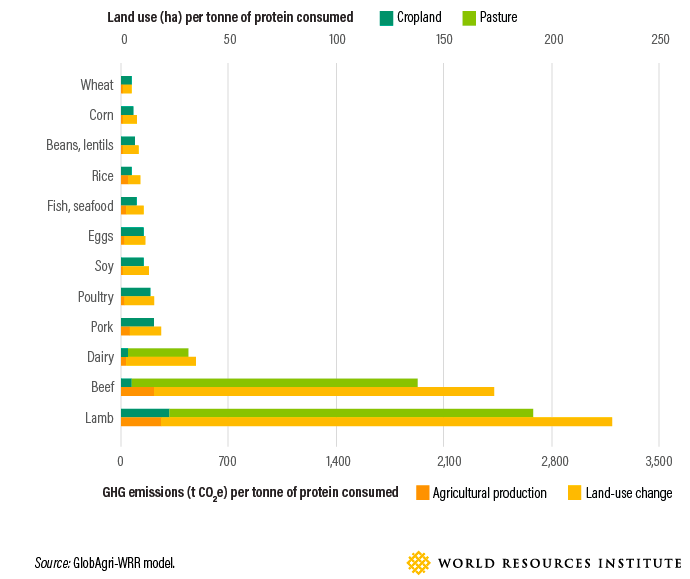
The UN’s Food and Agricultural Organisation states that meat and dairy account for approximately 14.5% of all greenhouse gas emissions globally. Altering your diet is therefore one of the most significant things that you as an individual can change to make more sustainable choices for the planet.
How can you make a change?
Expecting that everyone would go vegan is unrealistic, especially because it is so ingrained in a lot of people’s diets and culture. However, we all have a responsibility to at least cut down on our meat consumption. Although it would be ideal that everybody cut out meat completely, it would still make a huge difference if families were to cut out meat from their diets for a couple of days a week, especially for people who consume it daily.
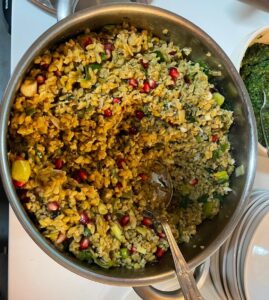
Veganuary is a great chance to see what it is like to follow a vegan diet. Whether you end up sticking with veganism or not, it will give you a chance to try out a range of different vegan recipes which can then be incorporated into your diet as a year-round choice. Following a vegan diet has huge health benefits, such as lowering cholesterol levels and lowering the risk of diabetes. This is particularly true if your diet is mainly based on legumes, grains, and pulses, all of which are incredibly good for you and can be bought cheaply. It can also help you be more creative with your cooking, especially when It comes to the use of herbs and spices and it can teach you how to make meals taste amazing and be nutritious by only using plants.
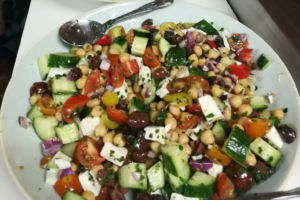
Luckily, we are in a time where veganism has soared, meaning access to vegan recipes, including veganised versions of traditional meat dishes can be found easily on the internet. However, to make a smooth transition to veganism, there are some key ingredients that you should have in your household when you make a start, such as vegan butter and dairy-free milk. You should also be wary of checking the ingredients in items such as biscuits and crisps, which sometimes are not vegan. Hummus will most likely become a significant part of your vegan diet, as a healthy and filling dip that can be used in a variety of contexts.
Your choices make more of a difference than you think: supply and demand go a long way and it is obvious from looking at shelves in supermarkets that vegan food is being consumed more and more. Whether it be for the animals, the environment, your health, or a mixture of them all, trying out Veganuary may inspire a long-term change in the way that you view food.
Emily is a young person engaged with One Planet Abingdon.