
By youth blogger, Emily Andrews. Emily has been writing for us for a while now. She is currently in Australia and will be writing about her experiences in relation to the climate crisis over there… We look forward to reading her stories.
In the meantime she sent this one in to support the Green Forum focus on waste.
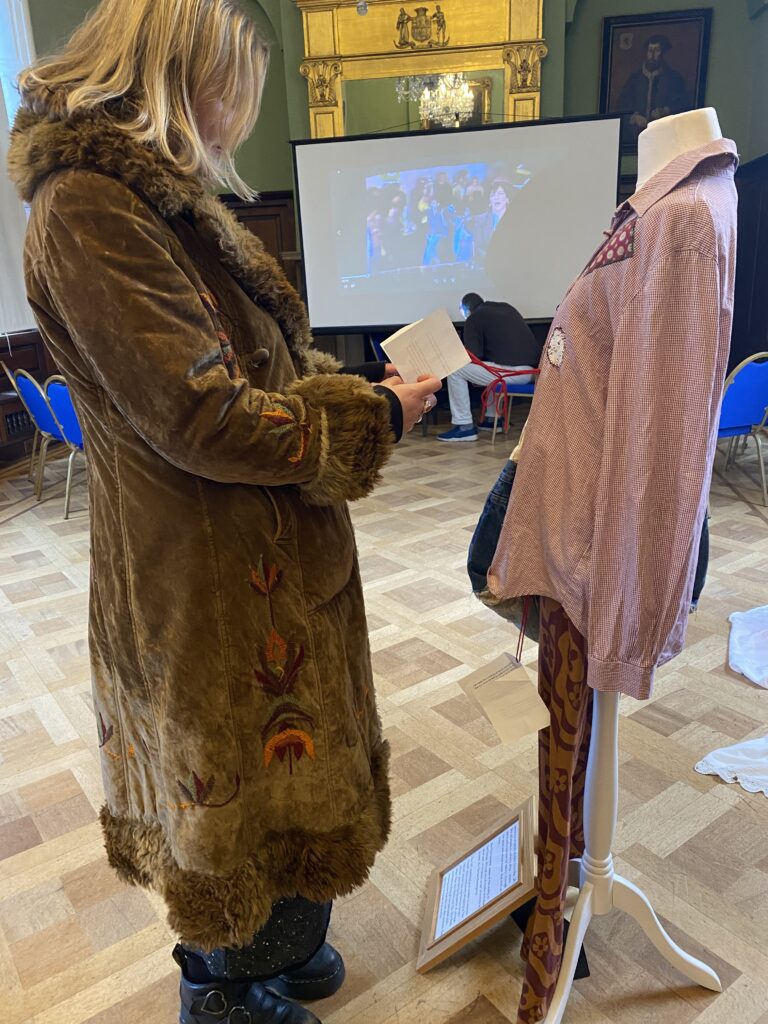
Physical Waste
Physical waste is one of the biggest environmental issues that society currently faces and it is worsening as we continue to produce and consume. The effects of air pollution on our environment take a longer time to show their damage, meaning people may feel more able to ignore them or blame them on natural phenomenons. However, when it comes to physical waste and plastic in particular, its effects are immediately obvious and are undeniably a direct consequence of human overproduction.
The increase in waste has derived from the growing ease of access to items, making them replaceable and meaning that throwaway culture has grown. Having easy access to all sorts of items – toys, clothing, household items, has meant that prices have been driven down, as they are created on such a large scale. Amazon, for household and general use items, and Shein, for clothing and fashion items, are two examples of websites which have made products so cheaply from outsourcing labour to countries where wages are lower. Companies like these also raise many ethical concerns surrounding the treatment of workers. Everyone has become used to this new way of living, which means there is less emphasis on repairing, as it is so easy and often cheaper to simply replace faulty items.
How can we personally reduce our waste?
The first thing we need to do as individuals is shift our attitudes. We need to be questioning whether things we buy are necessities – and if they aren’t, questioning whether these luxuries are things we will use for a long period of time. Conducting individual research into products before buying them will ensure that you are purchasing the things that you really need, rather than following trends. Abingdon’s Green Forum is focusing on four main areas of waste to work on, which are food waste, plastic waste, general waste and clothes waste. Here are some practical examples of what to think about when buying and throwing away:
Reducing food waste
Food waste is becoming so normalised because of the constant stock of food items found in shops – which can lead people to believe that there are unlimited amounts. In reality, food waste is a huge problem in terms of causing emissions and wasting the time and money spent making these products. This is definitely the largest issue within large corporations, where most food is produced and therefore inevitably wasted. This does not set us up for a promising future, where we may face food shortages.
On a personal scale, you can attempt to reduce waste by planning your week in terms of eating, so that you are only buying items that you will be certain to use. You can also be more intentional about what you buy – making an effort to buy less single use plastics is something that everybody should strive for. Where there is the option to buy vegetables not wrapped in plastic for instance, this should be done.
Businesses are slowly getting better at reducing food waste in some cases. Apps such as ‘too good to go’ can be used and have proven effective: a small price can be paid by customers for the leftovers of shops, restaurants or cafes’ stock and this ensures less goes to landfill. Greggs is an example of a business that does this, meaning it has far less waste at the end of the day than it previously would have. Oddbox is another scheme that can be used to reduce food waste. Subscribers receive a box of vegetables and fruit which were not aesthetically ‘suitable’ (eg. Misshapen carrots) to be sold in supermarkets or were spares – which helps reduce waste of these products.
Reducing plastic waste
Plastic is one of the biggest problems of our time. Plastic was originally invented for convenience purposes and was seen as a miracle for practical problem solving, but the damage it leaves behind has actually shown it to be more of a curse. Plastic is everywhere: plastic bags, packaging, straws and even in many products in the form of microplastics. Microplastics are increasingly infiltrating our water systems and causing health issues. It is easy to panic and feel alarmed about the scale of plastic, but every little helps when it comes to reducing our use.
Refusal to buy items wrapped in plastic is a good way to start. Where you have the time, seek out shops which sell vegetables that can be bought loose and avoid purchasing anything with too much plastic packaging. This is particularly important for single use plastics, which end up directly in landfill sites.
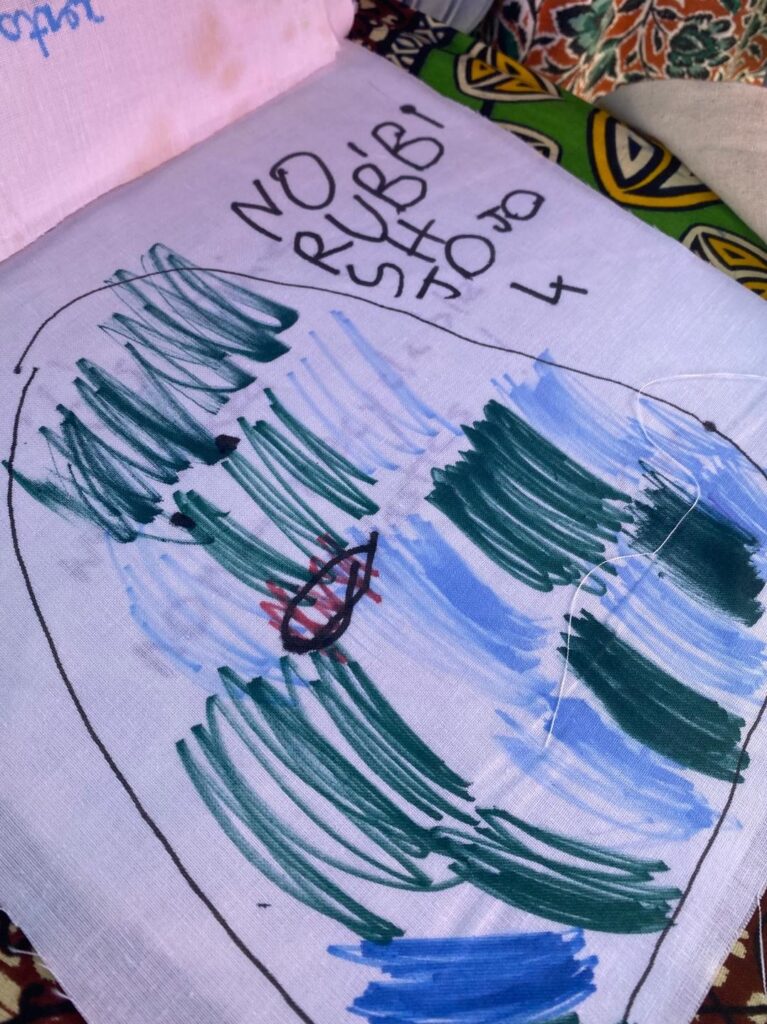
Other non-food items such as shampoos or makeup can often be bought plastic free too, with businesses like LUSH providing many plastic free options. Additionally, when storing leftovers or making meals for work or school, using reusable containers is much more sustainable than cling film or tin foil; the same applies for covering up leftovers.
Reducing general waste
Waste can refer to both physical waste as well as the waste we cannot see, like energy waste. It is just as important to be mindful of your energy waste, as well as water waste. Being mindful of unnecessary use of electricity, petrol and water usage can help both your own bills and the planet. Sometimes, you need to evaluate the lesser of the greater evils, even when this involves taking one step back. For instance, old appliances can be so much less energy efficient than newer ones, so you need to come to decisions as to when upgrading may be the better thing to do.
There are important ways that you can cut down on your general physical waste too. If you are a regular coffee drinker, investing in a reusable coffee cup will make a huge difference for the planet and the same applies to reusable water bottles. Even if you convince yourself it is a one off, a ‘one off’ for hundreds of people equates to a lot of extra, unnecessary waste. Avoiding printing for single use items is another way to reduce waste: luckily, we are seeing more and more business moving to the digital world.
Donating, swapping or re-styling clothes to reduce clothes waste
The clothing industry produces more waste than ever before, because of the extremely rapid turnover of trends in clothing brands. By not giving in to microtrends created by fast fashion corporations, you will be less likely to throw away clothes that are still in good condition, as you will still like them in years to come. If you do get bored of your clothes, donating them to charity is always a sustainable option, but you could also look into doing clothes swaps with friends, family, or within your community. Restyling your clothes can also give them a whole new look – whether it be pairing them with a different outfit, embroidering them to change them slightly or cutting off the sleeves.
Sharing resources and skills to reduce waste
Now that we have unlimited access to all sorts of things, there is perhaps less of a need to have practical skills as there was historically. For instance, less people now know how to sew and repair clothing, since it is so accessible to buy new items. However, if we look at communities as a whole, there will be skills across groups of people that can be shared. Repair cafes are an idea that have been adopted by some communities which facilitate a way in which people can learn and collaborate in repairing items. This could be applicable to clothing repairs, bike workshops or redecorating items.