
Healing the Planet: An Afternoon with Dr Sailesh Rao in Abingdon
Organised by One Planet Abingdon Climate Emergency Centre, Submitted by Prabod Mistry
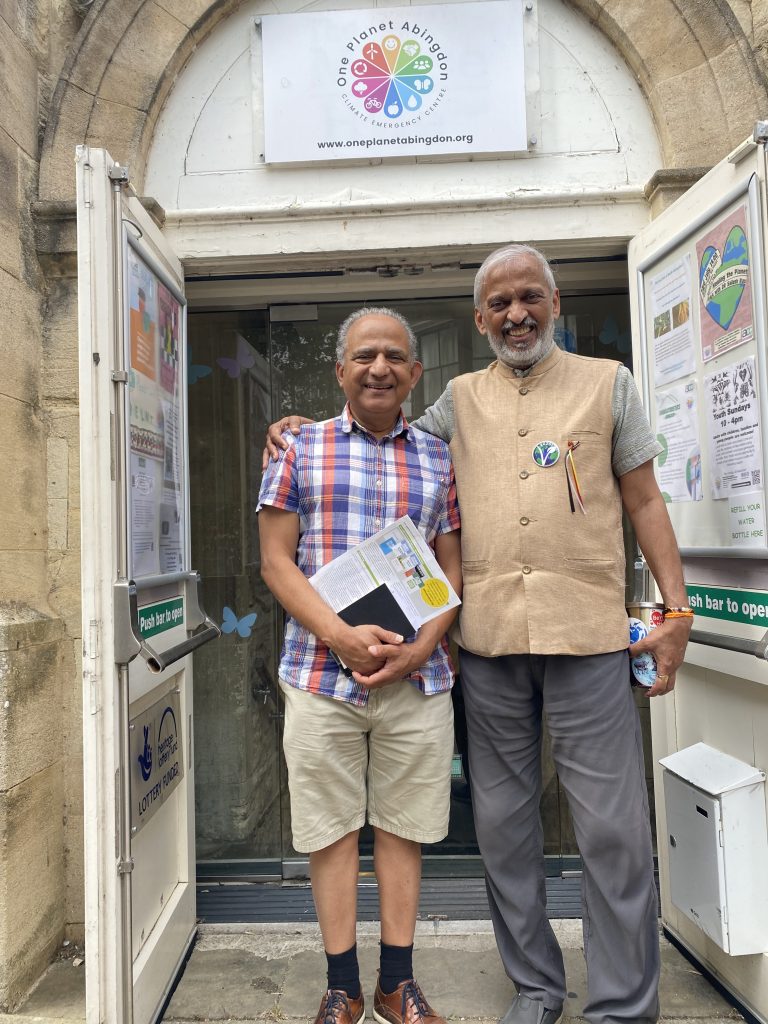
Dr Rao, an environmental campaigner and systems engineer, has spent the last two decades examining the interconnected causes of climate change, biodiversity loss and food insecurity. Named a Climate Hero by The Guardian in 2023, he speaks internationally on practical approaches to creating a more sustainable and compassionate future.
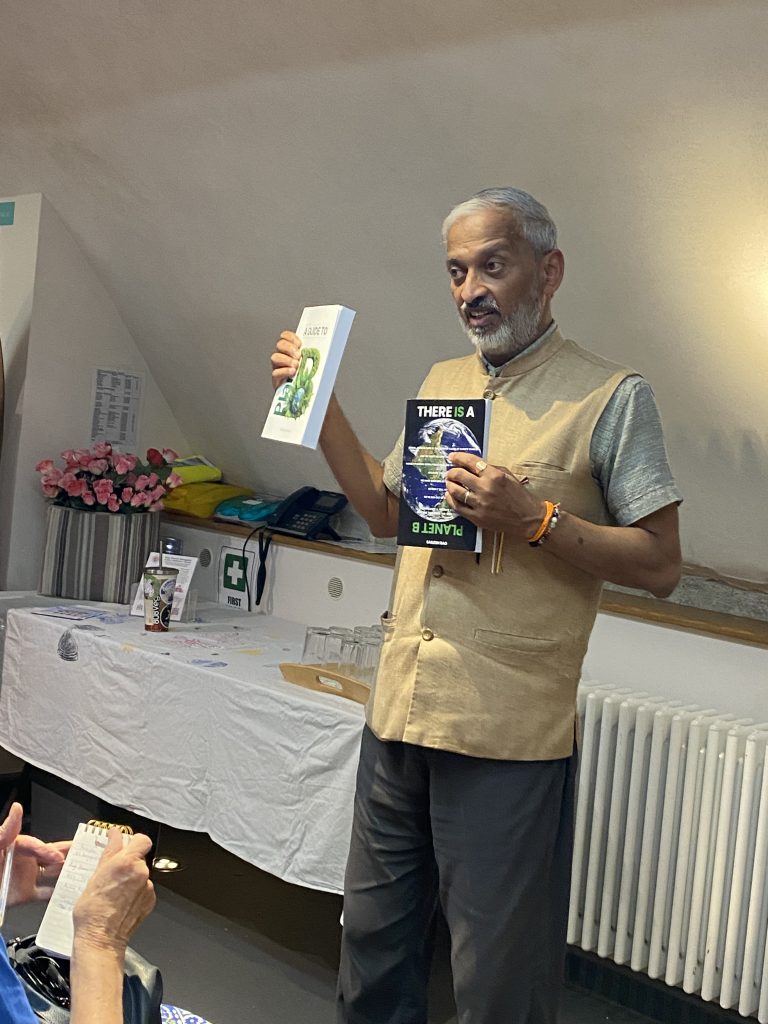
Introducing ideas from his latest book, A Guide to Planet B, Dr Rao contrasted what he describes as today’s “Planet A”—a world shaped by assumptions that drive environmental degradation—with his vision of “Planet B”, founded on principles designed to restore both ecological and social wellbeing.
He outlined seven commonly accepted assumptions that, in his view, underpin today’s environmental challenges, alongside seven guiding principles for a healthier future.
| Planet A: Current assumptions | Planet B: Foundational principles |
| Protein only comes from animal foods | Interdependence of all life |
| Calcium only comes from dairy foods | Non-violence and zero animal exploitation |
| Endless economic growth is the primary goal | Sufficiency rather than continual growth |
| Consumption defines prosperity | Honesty and humility guide decision-making |
| Humans are separate from nature | Universal provisioning within planetary limits |
| Responsibility for environmental damage is misplaced | Participatory and distributed governance |
| Technology alone will solve environmental problems | Technology should serve life, not dominate it |
Following the presentation, audience members explored topics ranging from food production and climate science to economics and community resilience.
Dr Rao argued that changing how we produce and consume food could free significant areas of land for wildlife recovery and ecosystem restoration while still feeding a growing population. Many of his views stimulated lively discussion and encouraged people to think differently about the relationship between human wellbeing and the natural world.
One particularly inspiring example was Together Around Food, a community initiative being piloted in Washington State, USA. The programme brings local volunteers together to prepare and share nutritious plant-based meals using locally sourced ingredients, free of charge for everyone. The aim is not only to address food security but to strengthen community connections, improve health and build resilience through shared purpose.
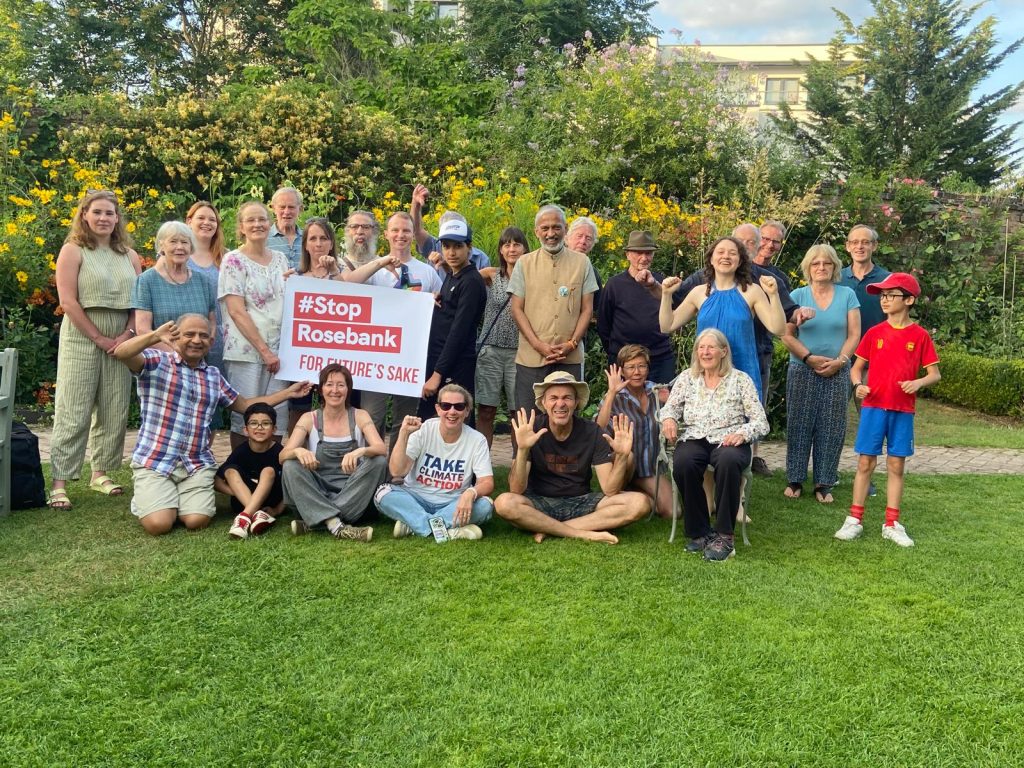
The afternoon demonstrated the value of open dialogue on one of the defining issues of our time. It also reminded us that meaningful change often begins locally—with neighbours, volunteers and communities working together.
At One Planet, ‘Cook and Connect’ is a collaborative initiative where the community is invited to learn how to cook from scratch using local food waste. Not only to encourage sustainable eating, but also to provide an opportunity to connect over a shared table of delicious plant based food. See the One Planet website for details of this and other free sessions. oneplanetabingdon.org
Readers can freely download Dr Rao’s books from Climate Healers Books, including A Guide to Planet B. More information about the Together Around Food initiative, together with recipes and community resources, is available at Together Around Food..