
The Wildlife of Radley Lakes
Radley Lakes, a former gravel extraction area, is now a Local Wildlife Site (LWS) that has gone through a rewilding process since quarrying ceased due to minimal human interference.
This talk will describe the diverse habitats of the area and its wide range of species. Some of the gravel pits were filled with fly ash in the past and now have developed diverse and rare flora and are also haven for ground-nesting birds due to the lack of human disturbance. Habitats include lakes, streams, ponds, fen, wet woodland, herb-rich grassland and deciduous woodland.
Barton Fields is part of the LWS area, managed by Abingdon Naturalists Society. The flora on that site has been enhanced by introducing a wide range of appropriate native plants.
Speaker: David Guyoncourt
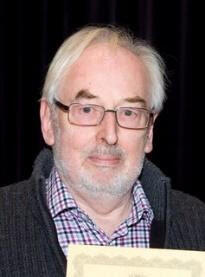
David has had a lifelong interest in nature and explored the Radley Lakes area, running along the many footpaths which cross the site. He soon realised what a superb wildlife area it was, and has since surveyed and recorded its flora and fauna for county and national organisations.
As co-warden of Barton Fields Wildlife Site, he recruited volunteers to manage this site on behalf of the Vale Council. Since then, the Abingdon Naturalists’ ‘Green Team’ have enhanced the site, creating wildflower meadows and ponds etc, financed by grants from National Lottery and other organisations.
David became aware of the threat to the Radley Lakes area in the 1990s and with colleagues, became a founder member of the Save Radley Lakes campaign. He is also Conservation Chairman of Abingdon Naturalists Society.