
Toby’s work experience
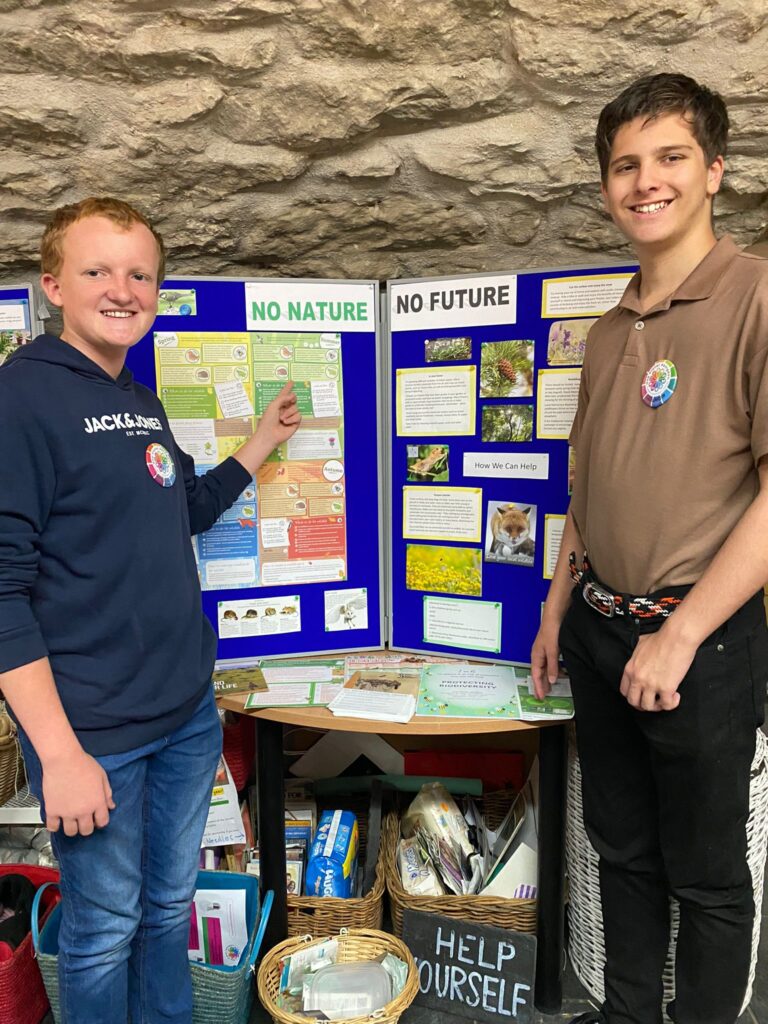
Toby Shepherd, a year 10 student at St Birinus School school in Didcot, recently completed a week-long work experience at One Planet Abingdon. After facing rejection from over 10 other placements in Oxfordshire, Toby’s decision to reach out to One Planet Abingdon proved to be a turning point in his journey.
Toby’s experience at One Planet Abingdon was nothing short of transformative. He not only gained a deeper understanding of the climate crisis but also discovered his own potential to contribute to the cause. As he said: “One Planet Abingdon has taught me so much this past week from helping me understand the gravity of the climate issue to what I can do to help.”
Through engaging in conversations with volunteers and participating in various activities, Toby was able to express his thoughts and ideas, something he often hesitated to do in the past. This newfound confidence allowed him to contribute meaningfully to the important work being done by One Planet Abingdon.
Toby’s mother also expressed her gratitude for the positive experience: “I just wanted to […] say thank you for making Toby’s work experience an enjoyable one. You could tell you had really put a lot of time and thought into his time with the charity and I know he got a lot from the experience.”
Toby’s story is a testament to the power of work experience in shaping young people’s lives. By providing opportunities for students to explore their interests and contribute to meaningful causes, we can inspire the next generation of climate activists and leaders.
Toby’s reflections on good waste
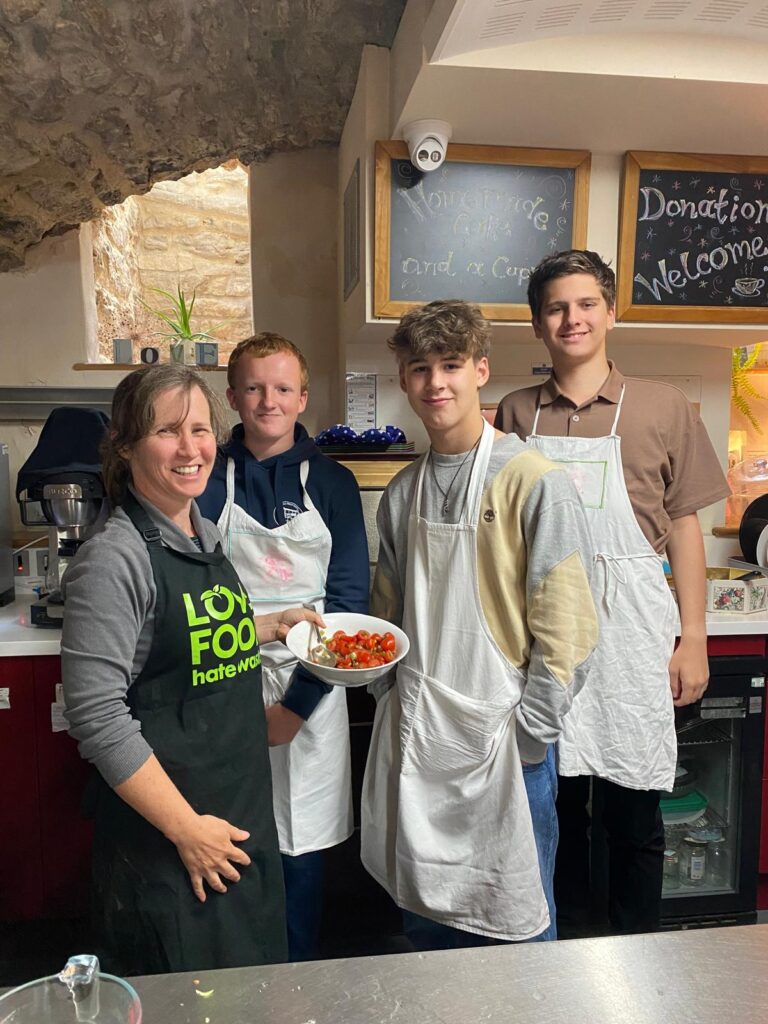
During his time at One Planet Abingdon, Toby also took part in a Chop and Chat workshop with Replenish Oxfordshire. These are Toby’s food waste reflections:
Today in the Chop and Chat session, I learnt a lot about food wastage and ways to prevent it. Also, I learnt some simple skills when it came to chopping and peeling vegetables, such as the courgettes and spring onions.
To start off with what I learnt, the first key piece of information that really stuck out to me was that approximately a third of the food around the world is wasted. That’s about 30%. Many of these foods, whilst they may sometimes be peels of fruit, are often foods like fruits and meats that are left untouched until they go bad. Furthermore, people will often throw food away when it’s perfectly fine, or simply not use it, if it looks different. For example, bruised apples may be chucked away because they look like they’re rotting when they’re fine.
Additionally, I also learned of ways to prevent food wastage. One such example is organizing my fridge better, like having the food shelved in order of how soon it needs to be eaten to how long it can wait. Also, a great method of using wasted food is for wormeries or composters. This makes sure that wasted food is still being used in some way, and one that benefits the environment rather than the waste just going to landfill.
In conclusion, to be able to sustainably feed the growing population of the world, we need to be better at how we manage food waste, and how we need to limit how much food is wasted.